License Plate Frames Material Details and Selection Tips: Material Selection and Usage Techniques
If you’re considering giving your car a makeover or improving the durability of your license plate, license plate frames are definitely a practical and personalized option. But don’t think of license plate frames as just a decorative piece; their materials and craftsmanship directly affect their lifespan, visual appeal, and safety.
Many car owners, when purchasing license plate frames for the first time, only consider appearance or price, neglecting durability, environmental adaptability, and installation experience. This article will provide a detailed analysis of the characteristics and applicable scenarios of various materials and offer practical purchasing advice, allowing you to buy with confidence and use with peace of mind.
Table of Contents
Why is the material so important for license plate frames?
In daily driving, license plate frames are exposed to wind and rain, sun exposure, impacts from sand and gravel, and corrosion from road salt. If the material is not ideal:
- The frame is prone to fading and aging.
- Prone to bending or cracking
- It can even affect the clarity of license plate information.
Tip: Before purchasing, determine your primary usage environment: is it a humid coastal area or a cold, snowy northern region? The choice of material will directly affect the service life.
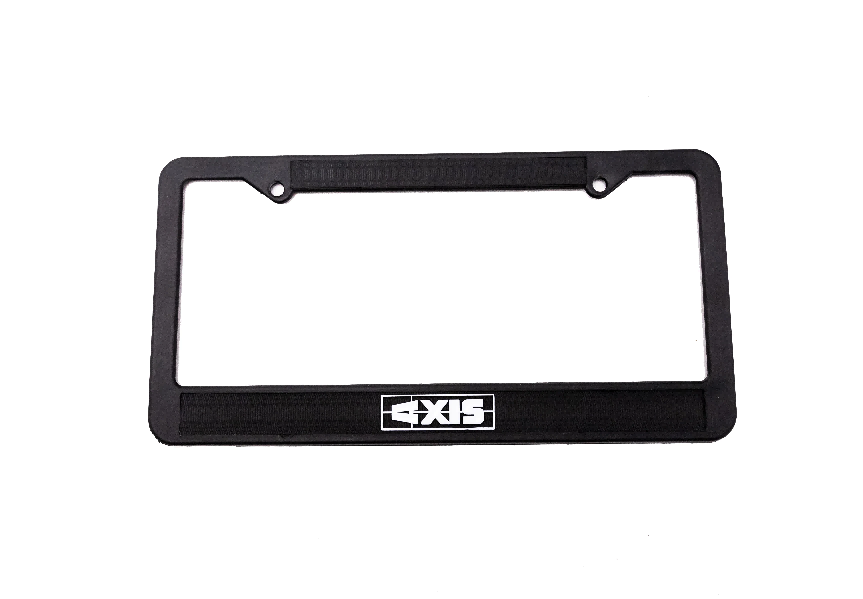
Stainless steel license plate frames—a combination of durability and classic style
Advantages
Stainless steel is one of the most popular materials for license plate frames.
- It has strong corrosion resistance and is suitable for rainwater and coastal environments.
- Not easy to rust or deform
- Natural luster, high-end visual texture
- Durable and long-lasting, no need to worry after installation.
This material is suitable for car owners who prefer a stable, classic look and long-term use.
Precautions
- It is slightly heavy, so it needs to be securely fixed during installation.
- It is slightly more expensive than plastic or ABS, but offers better value for money than carbon fiber.
Experience sharing: Many users have reported that stainless steel frames will not rust even after five or six years, making them especially suitable for salty environments in northern winters.
Aluminum alloy license plate frames—a lightweight, durable, and good choice
Advantages
Aluminum alloys are known for their lightweight and corrosion resistance.
- Lightweight design reduces the load on the rear of the vehicle.
- It is not easy to rust and can be used outdoors for a long time.
- Suitable for various inkjet printing and laser engraving processes
Tip: If you enjoy DIY personalized designs, aluminum alloy frames are the preferred choice because they are easy to customize and process.
Precautions
- Its strength is slightly lower than that of stainless steel, and it may bend slightly under external force.
- Scratches may appear in sandy or gravelly environments.
It is recommended to use protective pads during installation to avoid direct friction with the vehicle body.
Carbon fiber license plate frames—high-end sports style
Advantages
Carbon fiber is lightweight and high-strength, making it suitable for users who want a sporty feel.
- Extremely high strength-to-weight ratio
- Not easy to crack or fade
- It has a strong visual and technological feel and a unique surface texture.
This material is often used in sports cars or modified cars, adding a “professional racing” feel to the rear of the vehicle.
Precautions
- High cost, not suitable for users with limited budgets
- Some so-called carbon fiber frames on the market may just be plastic laminates; when purchasing, be sure to make sure it is made of genuine carbon fiber.
Experience sharing: High-end car owners often choose carbon fiber frames to match a black body or carbon fiber accessories, which creates a great overall sense of harmony.
ABS plastic license plate frames—economical and practical
Advantages
ABS plastic frames are affordable, lightweight, and highly malleable.
- Low cost, rich colors and styles
- Easy to install and lightweight
- With moderate impact resistance, it is suitable for daily commuting.
Precautions
- Prolonged exposure to sunlight may cause fading and aging.
- It is less resistant to harsh environments than metal materials.
Recommendation: If you frequently change styles or use it for short-term events, ABS frames offer excellent value for money.

Chrome-plated license plate frames—a refined and glossy appearance
Advantages
- Chrome-plated surfaces are bright and luxurious.
- Good rust resistance
- Enhance the overall appearance of the vehicle
Precautions
- Regular wiping is required to maintain its shine.
- Scratches are likely to appear
Tip: Suitable for car owners who like a luxurious appearance and are willing to spend time maintaining license plate frames.
Zinc alloys and silicone—a choice for different functional needs
Zinc alloy frame
- High strength and exquisite design
- It can be used for complex carving and shaping.
- Suitable for car owners who want both durability and aesthetics
Silicone/Soft Materials
- Shockproof, scratch-resistant, and won’t damage license plates.
- Tight installation reduces driving noise
- Minimalist style, functional
Tip: If you frequently drive on mountain roads or roads with complex conditions, a silicone frame can better protect your license plate.
Practical tips for choosing license plate frames
- First, confirm the license plate size: it may vary slightly depending on the vehicle model. Measure the size before choosing the material.
- Depending on the usage environment, stainless steel or aluminum alloy is preferred in coastal areas; UV-resistant materials should be selected in areas with strong ultraviolet radiation.
- All installation accessories are complete: Check that screws and washers are compatible, and ideally, the device should have anti-theft features.
- Coordination between appearance and vehicle: Materials not only determine durability but also influence visual style.
- Reasonable budget: High-end materials such as carbon fiber and chrome plating are expensive, but they are also more durable and aesthetically pleasing.
Reminder: Don’t just look at the price or appearance; functionality and materials are the deciding factors.
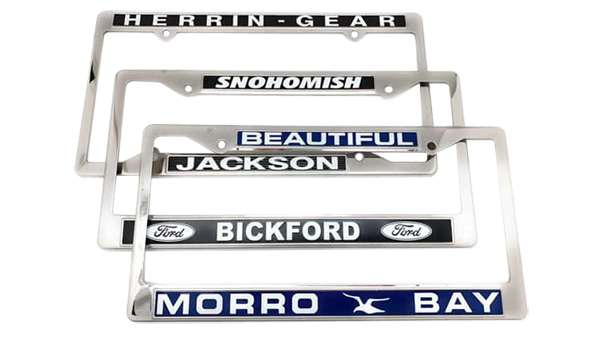
.
FAQ—Frequently Asked Questions about Purchasing License Plate Frames
Q1: Which material is the most durable?
A: Overall, stainless steel and high-quality aluminum alloy have the best weather resistance and are suitable for all-weather use.
Q2: Will plastic fade quickly?
A: Ordinary plastics will, but high-quality ABS has better UV resistance and can remain unfaded for several years under normal use.
Q3: Is carbon fiber worth buying?
A: If you are looking for lightweight, sporty, and high-end visual appeal, it is definitely worth it if you have a sufficient budget.
Q4: Are metal frames prone to scratching car paint?
A: Add protective pads during installation to prevent the metal from directly contacting the car body.
Q5: Who is the silicone frame suitable for?
A: Users who value protection and reduced vibration and noise, especially on mountain roads or in complex road conditions.
Q6: Does the chrome frame require special maintenance?
A: Yes, keeping it clean and avoiding scratches from hard objects will prolong its shine.
Summarize
When selecting license plate frames, material selection is the most crucial step. Different materials have their own advantages and disadvantages:
- Stainless steel: classic and durable
- Aluminum alloy: lightweight and weather resistant
- Carbon fiber: High-end sports
- ABS plastic: economical and practical
- Chrome plating: exquisite and bright
- Zinc alloy/silicone: Combining functionality and aesthetics
By considering the usage environment, aesthetic requirements, budget, and ease of installation, you can choose the most suitable license plate frames for your needs. Don’t forget, good materials not only make the rear of your vehicle look better but also provide greater peace of mind when using them.
Related Posts
Anti-theft license plate frames installation method explained: A practical guide for American car owners
-
Posted by
 Alva Christiana

Practical tips for preventing damage to vehicle paint when installing license plate frames
-
Posted by
Alva Christiana

How to quickly install personalized license plate frames: A practical guide for American car owners to save time.
-
Posted by
Alva Christiana

Tutorial on Screw-Installed License Plate Frames: A Complete Guide for US Car Owners on How to Securely Install Them
-
Posted by
Alva Christiana
Common problems and solutions for DIY installation of license plate frames
-
Posted by
Alva Christiana

Analysis of corrosion resistance and purchase recommendations for metal license plate frames
-
Posted by
Alva Christiana
How to select license plate frames that comply with local regulations
-
Posted by
Alva Christiana

Detailed step-by-step guide to license plate frame installation: from preparation to inspection
-
Posted by
Alva Christiana

License plate frames material and vehicle style matching guide
-
Posted by
Alva Christiana
DIY custom license plate frames buying guide: create a unique style for your car
-
Posted by
Alva Christiana

Important Notes for Purchasing License Plate Frames Online: A Complete Guide to Selection and Installation
-
Posted by
Alva Christiana
How to Choose High-Quality License Plate Frames for a Sports Car? Materials, Design, and Practical Tips
-
Posted by
Alva Christiana